
For the first time, a country’s entire cuisine has been recognized as part of the “Intangible Cultural Heritage” of humanity. It was an astonishing moment at the announcement of UNESCO’s 2025 listings that annually celebrate living cultural traditions – and highlight them for support to ensure they remain alive.
You may be most familiar with UNESCO World Heritage sites: famous monuments or natural wonders. But intangible cultural heritage designations are different. From foodways to festivals, music to fashion, endangered crafts to social customs, this annual recognition doesn’t just protect heritage; it celebrates the ways communities express identity, creativity, authenticity and continuity in a rapidly changing world.
2025’s New Intangible Cultural Heritage Listings
Announced in New Delhi in early December, the latest round of designations inspires us to explore and experience the heartbeat of cultures across all corners of the world.
Culinary Traditions
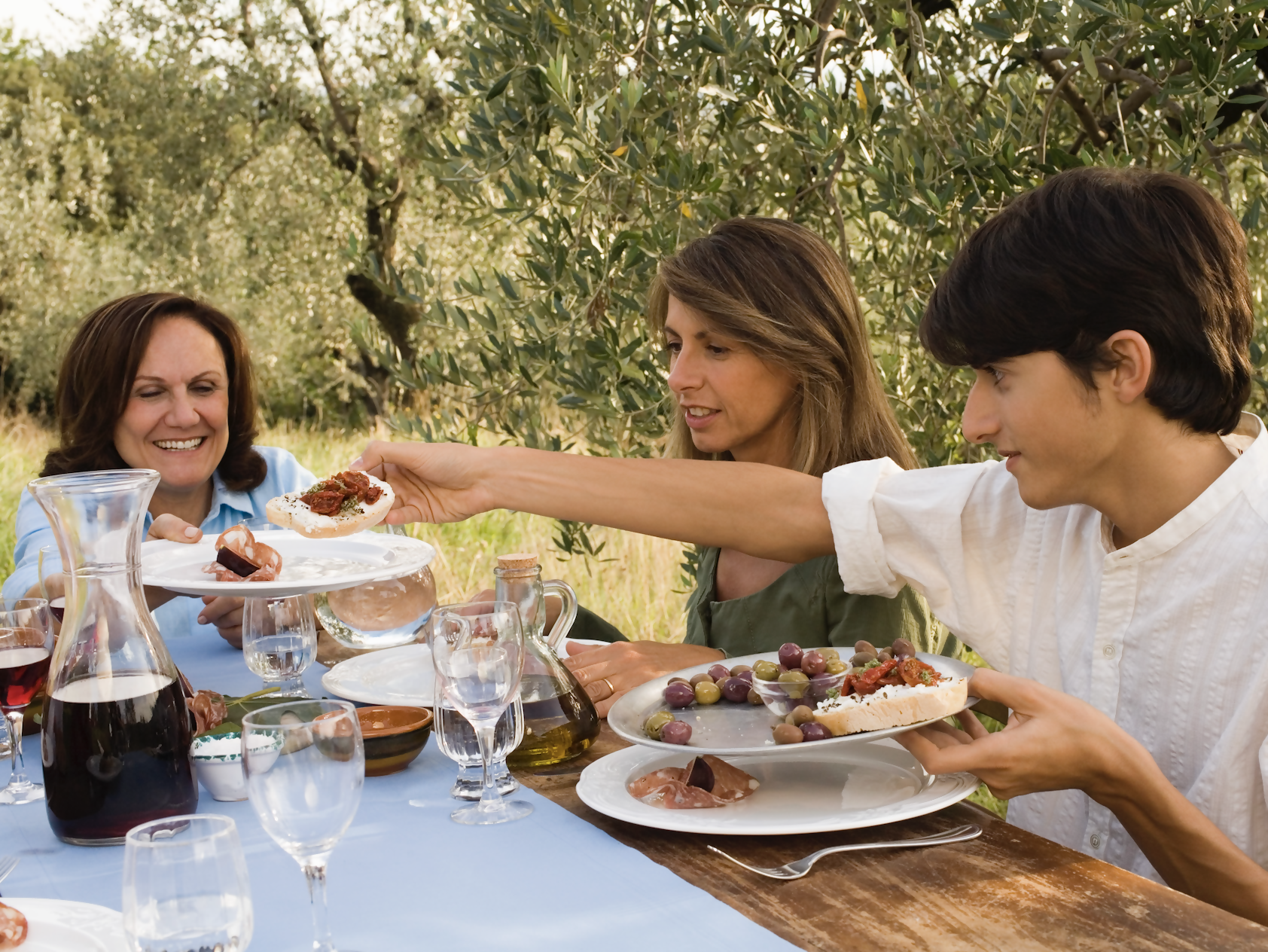
Italian Cuisine – Italy (pictured, top)
In the biggest headline of the listings, UNESCO has finally said what the world already knew: Italian cuisine is a global treasure and cultural masterpiece. It’s a historic first for any national cuisine.
The designation covers more than a set of recipes. It recognizes the everyday traditions behind Italian home cooking, including:
- Communal meals: sharing food, nurturing family and social ties
- Generational ties: with unique knowledge passed down in families and communities
- Cultural identity: where cuisine and dining are symbols of Italian heritage and lifestyle
The next time you’re indulging in Italy, you can rest assured you are tasting identity, geography, and centuries of culinary artistry.
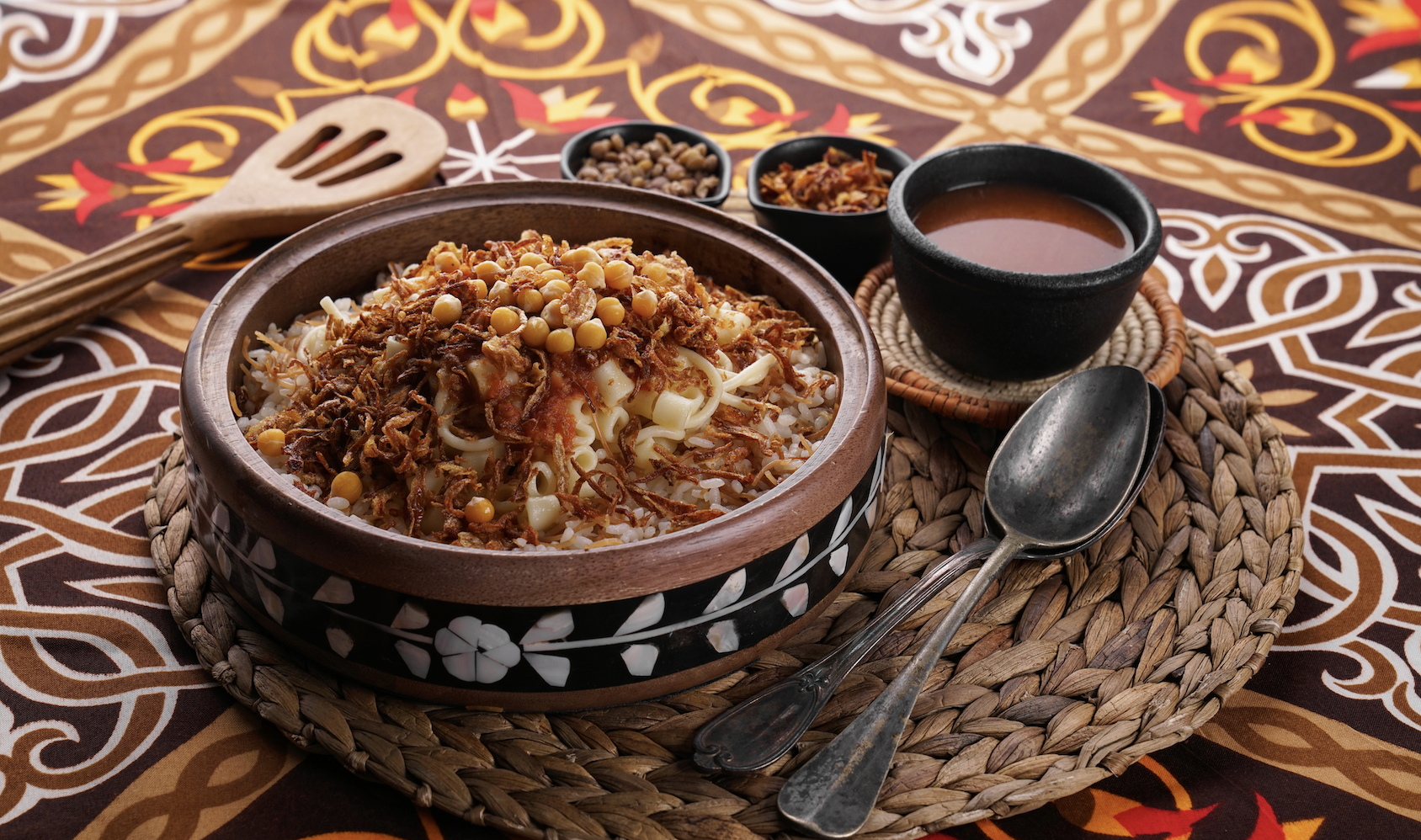
Koshary Food Culture – Egypt
Egypt’s ultimate comfort dish, koshary, is hearty, chaotic, and absolutely beloved. Layers of lentils, rice, pasta, spice, and crispy onions are everyday Egyptian life in a bowl.
Festivals & Social Practices
Deepavali (Diwali Festival of Lights) – India
A celebration that turns entire cities into constellations, Deepavali is India at its most luminous, literally. This festival stitches together family rituals, sweet-making marathons, sparkling markets, and the warm glow of a million oil lamps in a uniquely Indian blend of spirituality and spectacle.
Music & Dance Traditions
Compas / Konpa Music – Haiti
This Haitian heartbeat blends guitars, horns, and irresistible rhythms that make even the shyest listener sway. Compas isn’t just music—it’s movement, joy, and cultural pride wrapped into every note. Travelers will find it echoing from beach bars to late-night dance floors and welcome committees at cruise ports, inviting visitors to learn the steps and feel Haiti’s spirit in motion.
Textile, Fashion & Craftsmanship
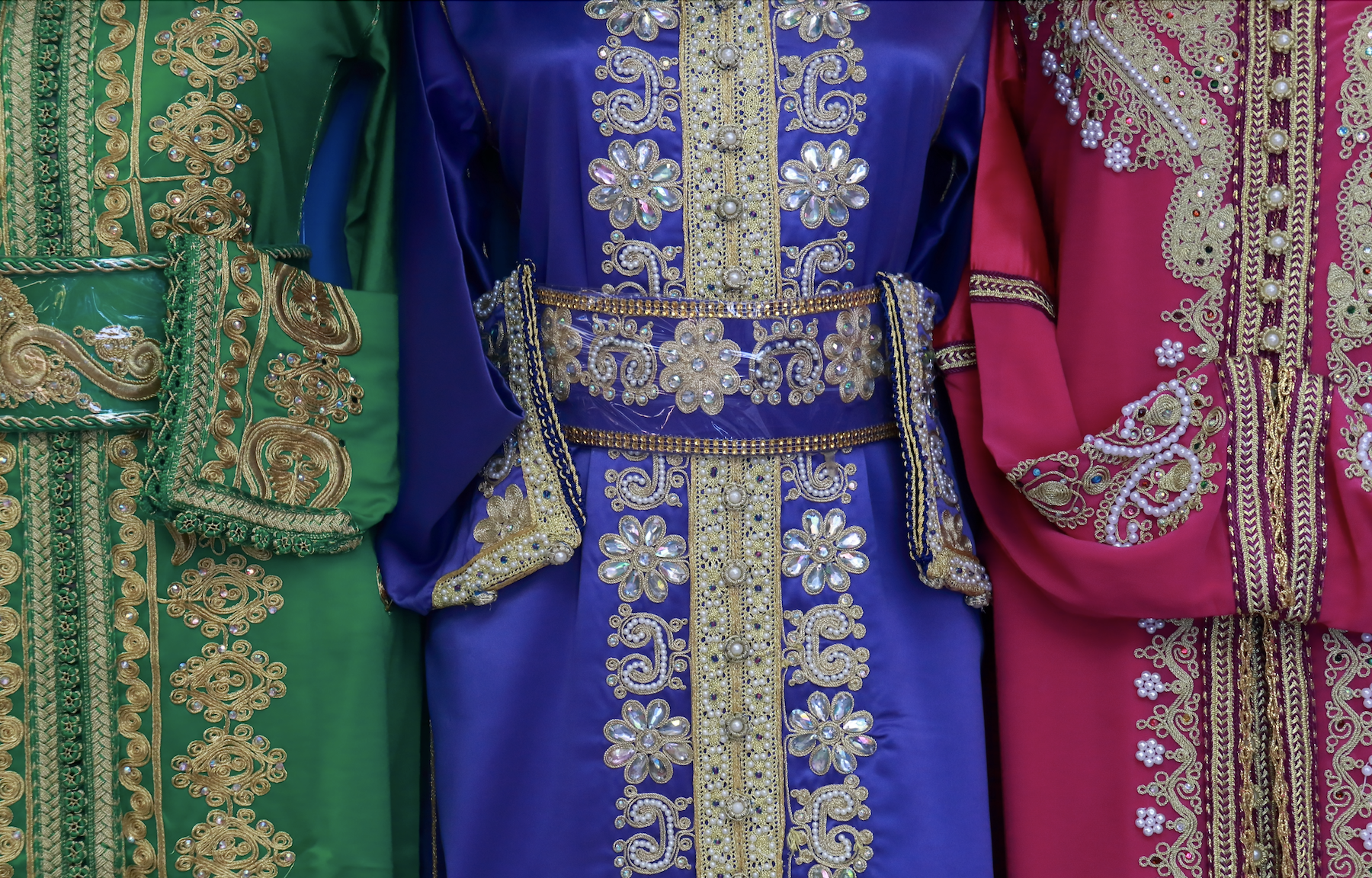
Moroccan Caftan – Morocco
Rich fabrics, hand-stitched embroidery, and centuries-old artistry—Morocco’s caftan is wearable heritage. Whether shimmering in Marrakech’s souks or worn at celebrations, each caftan tells a story of generational craftsmanship. For travelers, exploring ateliers or watching artisans at work offers a beautifully intimate glimpse into Morocco’s cultural elegance.
Traditional Saree Weaving Art of Tangail – Bangladesh
Delicate, intricate, and endlessly expressive, Tangail sarees are woven poetry. Travelers exploring weaving villages will hear the rhythmic clack of looms long before they arrive—a soundscape of heritage. Each saree reflects community identity and craftsmanship, turning a simple length of fabric into living culture.
Traditional Crafts
Dong Ho Folk Painting Craft – Vietnam
These vibrant woodblock prints once decorated Vietnamese homes during the Lunar New Year, each image carrying symbolic good fortune. Today, fewer artisans remain, making this tradition especially precious and designated as a cultural practice that needs urgent protection. Travelers to Bac Ninh province can meet the remaining masters, watch pigments mixed from natural materials, and see how a centuries-old craft colors Vietnam’s cultural story.
START YOUR TRIP!
Images: Getty
All rights reserved. You are welcome to share this material from this page, but it may not be copied, re-published, broadcast, rewritten or redistributed.


